
In recent years, agriculture has been increasingly scrutinised for its environmental impact, prompting farmers and researchers alike to seek sustainable solutions. One such innovation gaining traction is biodegradable silage wrap. This article explores the advantages of using landfill-biodegradable silage wrap in agriculture, highlighting its benefits for both farmers and the environment.
What is a Biodegradable Silage Wrap?
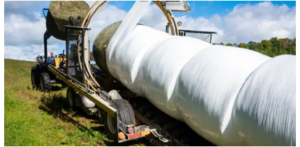 Biodegradable silage wrap is a specialised material used to preserve silage, which is fermented high-moisture fodder stored in airtight conditions to ensure its nutritional quality for livestock feed unlike traditional silage wraps made from non-biodegradable materials like polyethylene, biodegradable silage wrap is designed to break down naturally over time, reducing its environmental footprint.
Advantages for Farmers
1. Environmental Responsibility
One of the primary advantages of biodegradable silage wrap is its environmental friendliness. Traditional polyethylene wraps contribute to plastic pollution, as they do not decompose and often end up in landfills or marine environments. In contrast, biodegradable wraps are made from materials that break down through natural processes, reducing the long-term impact on ecosystems.
2. Compliance with Regulations
As environmental regulations tighten globally, farmers face increasing pressure to adopt sustainable practices. Using biodegradable silage wrap can help farmers meet these regulatory requirements and fully demonstrate their commitment to environmentally responsible farming practices.
3. Ease of Disposal
Landfill-biodegradable silage wrap simplifies the disposal process for farmers. Traditional wraps require careful collection and disposal procedures to prevent environmental contamination. In contrast, biodegradable wraps can be disposed of along with the silage itself, as they break down harmlessly into natural components over time.
4. Maintaining Silage Quality
The primary function of silage wrap is to maintain the nutritional quality of fodder for livestock feed. Biodegradable silage wraps are designed to provide the same level of protection and preservation as traditional wraps, ensuring that silage remains fresh and nutritious for extended periods.
5. Consumer Perception
Consumers are increasingly conscious of the continuous environmental impact of the products they consume. Farmers using biodegradable silage wrap can enhance their marketability by aligning with consumer preferences for sustainable and eco-friendly agricultural practices.
Advantages for the Environment
1. Reduction in Plastic Pollution
The most significant environmental advantage of biodegradable silage wrap is its potential to reduce plastic pollution. Traditional wraps contribute to the accumulation of plastic waste in landfills, oceans, and agricultural environments. Biodegradable wraps offer a sustainable alternative by breaking down naturally, minimising their environmental impact.
2. Soil Health
Biodegradable silage wraps can improve soil health by decomposing into organic matter that enhances soil structure and nutrient retention. This process supports soil microbial activity, promoting healthier ecosystems and sustainable agricultural practices.
3. Wildlife Protection
Plastic pollution poses a significant threat to wildlife, as animals can ingest or become entangled in discarded wraps. Biodegradable silage wraps reduce this risk by breaking down into non-toxic components that are less harmful to wildlife and ecosystems.
4. Carbon Footprint Reduction
The production and disposal of traditional silage wraps contribute to greenhouse gas emissions. Biodegradable wraps typically have a lower carbon footprint due to their production from renewable resources and their ability to decompose without releasing harmful gasses into the atmosphere.
Challenges and Considerations
While biodegradable silage wrap offers numerous advantages, there are some considerations for farmers looking to adopt this technology. These include:
1. Cost
Biodegradable silage wraps may initially be more expensive than traditional alternatives due to differences in material costs and production processes. However, as demand increases and technology advances, costs are expected to decrease over time.
2. Performance
Farmers may be concerned about the performance and durability of biodegradable silage wraps compared to traditional wraps. However, advancements in material science and manufacturing techniques have resulted in biodegradable wraps that offer comparable performance in terms of strength, stretchability, and preservation of silage quality.
3. Education and Adoption
There is a need for education and awareness among farmers about the benefits and proper use of biodegradable silage wraps. Extension services, agricultural advisors, and manufacturers play a crucial role in supporting farmers in adopting sustainable agricultural practices.
Conclusion
Landfill-biodegradable silage wrap represents a significant advancement in sustainable agriculture, offering farmers an environmentally responsible alternative to traditional plastic wraps. By reducing plastic pollution, supporting soil health, and meeting regulatory requirements, biodegradable silage wraps contribute to a more sustainable future for agriculture and the environment. While challenges such as cost and performance exist, ongoing research and innovation are likely to enhance the viability and adoption of biodegradable silage wraps in agriculture. As farmers increasingly prioritise environmental stewardship, biodegradable silage wraps are poised to play a pivotal role in shaping the future of sustainable farming practices worldwide.