
Interior design is both an art and a science, where creativity meets practicality to transform spaces into visually appealing and functional environments. Behind every well-designed room lie fundamental principles and interior designer rules that guide interior designers in achieving balance, harmony, and style. Whether you're decorating your own home or considering a career in interior design, understanding these rules can help you create spaces that are not only beautiful but also cohesive and inviting.
Balance: Creating Visual Stability
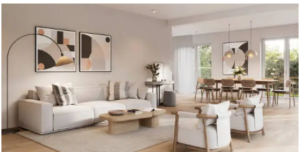 Balance is a fundamental principle in interior design that aims to create equilibrium within a space. There are two main types of balance:
- Symmetrical Balance: This involves arranging elements in a space so that they are evenly distributed on either side of a central axis. For example, placing identical nightstands and lamps on either side of a bed creates a symmetrical balance that is pleasing to the eye.
- Asymmetrical Balance: Unlike symmetrical balance, asymmetrical balance involves using different objects that have equal visual weight to achieve balance.
Harmony: Coordinating Elements
Harmony in interior design refers to the pleasing combination of different elements to create a unified whole. It involves using similar colours, patterns, textures, or styles throughout a space. For example, choosing a colour palette that includes complementary or analogous colours can create a harmonious atmosphere where all elements work together cohesively.
Scale and Proportion: Getting the Size Right
Scale and proportion are crucial considerations in interior designer rules, as they ensure that objects within a space relate well to each other and the room as a whole. It's important to choose furniture and decor that are appropriately sized for the room they occupy. For example, in a small room, opting for smaller-scale furniture can prevent the space from feeling cramped, while in a large room, larger pieces can anchor the space and prevent it from feeling empty.
Rhythm: Creating Visual Flow
Rhythm in interior design involves creating a sense of movement that guides the eye seamlessly from one part of the room to another. It can be achieved through repetition, progression, or transition of elements such as colours, patterns, or textures. For instance, repeating a particular colour or pattern throughout a space can create a sense of rhythm that ties the room together and creates visual interest.
Contrast: Adding Visual Interest
Contrast is about creating visual interest by juxtaposing different elements within a space. It can be achieved through the use of colour, texture, shape, or style. For example, pairing light-coloured walls with dark furniture creates a strong contrast that highlights both elements and adds depth to the room. Similarly, mixing smooth and textured surfaces can create a tactile contrast that enhances the overall design.
Emphasis: Highlighting Focal Points
Every well-designed room has a focal point—a feature that draws the eye and serves as the centre of attention. Emphasis in interior design involves highlighting these focal points to create visual interest and hierarchy within a space. It can be achieved through strategic placement of furniture, artwork, or architectural elements that emphasise the room's focal point and guide the viewer's gaze.
Functionality: Balancing Form and Function
While aesthetics are important, functionality is equally essential in interior design. Designers must consider how people will use the space and ensure that it meets their practical needs while remaining visually appealing. This involves thoughtful space planning, ergonomic considerations, and choosing durable and beautiful materials and furnishings.
Unity: Creating a Cohesive Design
Unity in interior design refers to the cohesive relationship between all elements within a space. It's about ensuring that every design choice—from furniture and accessories to lighting and decor—supports the overall concept and creates a harmonious environment. Achieving unity requires careful attention to detail and a clear vision of how all elements will work together to create a cohesive and inviting space.
Conclusion
Mastering the interior designer rules allows you to create spaces that are not only aesthetically pleasing but also functional and harmonious. By understanding concepts such as balance, harmony, scale, rhythm, contrast, emphasis, functionality, and unity, you can unlock the secrets to designing interiors that reflect your style or meet the specific needs of your clients effectively.
Whether you're redesigning a single room or embarking on a larger interior design project, applying these principles will guide you in creating spaces that are both beautiful and well-designed. This will ensure a satisfying result that enhances both the visual appeal and usability of the space.