
Hip dysplasia is a common ailment in dogs, causing pain and limiting their mobility. If your furry friend has been diagnosed with this condition, you're likely looking for ways to manage their pain and improve their quality of life. Here in Portland, OR, there are excellent veterinary rehabilitation facilities offering therapy for dogs with hip dysplasia.
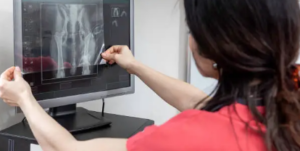 This article will delve into the world of canine hip dysplasia, explore various therapeutic options available in Portland, and provide tips on choosing the right therapy for your dog. For the best therapy for dogs with hip dysplasia, click here.
Understanding Hip Dysplasia in Dogs
Hip dysplasia is a malformation of the hip joint where the ball and socket don't fit together correctly. This instability can cause a variety of problems, including:
- Pain
- Limping
- Difficulty getting up or down
- Muscle weakness
- Arthritis
Certain breeds, like Labrador Retrievers, German Shepherds, and Golden Retrievers, are more prone to acquiring hip dysplasia. However, any dog can develop this condition.
Treatment Options for Hip Dysplasia
There's no cure for hip dysplasia, but various treatment options can significantly improve your dog's comfort and mobility. Here's an overview of some popular therapies offered in Portland:
- Weight Management: Excess weight significantly puts extra strain on your dog's joints. A veterinarian can recommend and design a weight loss plan specifically tailored to your dog's needs.
- Pain Management: Medications like non-steroidal anti-inflammatory drugs (NSAIDs) can help alleviate pain and inflammation.
- Nutritional Supplements: Supplements, including glucosamine and chondroitin, can help support joint health and cartilage function.
- Physical Therapy: This is where veterinary rehabilitation facilities come in. Physical therapy uses various techniques to improve your dog's strength, flexibility, range of motion, and balance.
Here are some specific modalities offered in Portland:
- Passive Range of Motion (PROM): A therapist gently moves your dog's joints through their full range of motion, improving flexibility and reducing stiffness.
- Therapeutic Exercise: Exercises like underwater treadmill walking, wobble boards, and cavaletti poles can help strengthen muscles and improve balance without putting undue stress on the joints.
- Massage Therapy: Massage can improve circulation, reduce pain, and promote relaxation.
- Hydrotherapy: Water exercises offer a low-impact way to improve strength, flexibility, and endurance.
- Surgery: In severe cases, surgery like femoral head osteotomy (FHO) or total hip replacement (THR) may be recommended.
Choosing the Right Therapy for Your Dog
The best therapy plan for your dog will depend on the severity of their condition, age, overall health, and activity level. Here are some factors to consider when choosing a therapy program:
- Veterinarian Recommendation: Consult your veterinarian to discuss the most appropriate treatment options for your dog. They can also recommend reputable rehabilitation facilities in Portland.
- Facility Expertise: Look for a facility with experienced veterinary rehabilitation therapists who specialise in canine hip dysplasia.
- Treatment Options Offered: Choose a facility that offers a variety of therapeutic modalities to effectively create a well-rounded treatment plan for your dog.
- Location and Convenience: Consider the facility's location and operating hours to ensure it fits your schedule.
Benefits of Therapy for Dogs with Hip Dysplasia
Therapy can significantly improve your dog's quality of life by:
- Reducing pain and inflammation
- Increasing mobility and flexibility
- Strengthening muscles
- Improving balance and coordination
- Slowing the progression of arthritis
Finding Therapy for Your Dog in Portland, OR
Portland has a wealth of veterinary rehabilitation facilities offering therapy for dogs with hip dysplasia. Here's how to find the right one for your furry friend:
- Search online: Many facilities have websites that detail their services and team members. You can also use online review platforms to get insights from other pet owners.
- Ask your veterinarian: Your veterinarian can recommend reputable rehabilitation facilities they trust.
Conclusion:
Hip dysplasia can be a challenging condition for both dogs and their owners. However, with a combination of veterinary care, physical therapy, and lifestyle modifications, you can help your dog manage their condition and live a fulfilling life. By taking advantage of the excellent therapy options available in Portland, OR, you can ensure your furry friend continues to enjoy walks, playtime, and all the joys of being a dog.