
Tree removal is a necessary service for many property owners in Adelaide Hills, especially when dealing with dead, damaged, or hazardous trees. However, the tree removal cost can vary significantly depending on several factors. Among the most influential are the tree's size, location, and condition. Understanding how these elements impact the overall cost can help you make informed decisions and plan your budget more effectively.
Size Matters: Height and Diameter
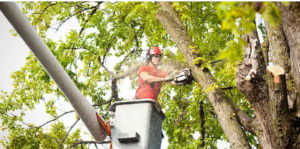 The size of the tree is one of the primary factors influencing tree removal costs. Larger trees require more labour, specialised equipment, and time to remove, which increases the overall price.
- Height: Tall trees, typically over 60 feet, are more challenging and hazardous to remove. They require additional safety measures and advanced equipment like cranes or cherry pickers. These can significantly add to the labour costs and extend the duration of the job.
- Diameter: A tree with a thick trunk is harder to cut and process. The larger the trunk diameter, the more time and effort it takes to section and haul away the debris. Removing a tree with a 24-inch diameter will naturally cost more than one with a 12-inch diameter.
Location: Accessibility and Surrounding Hazards
Where the tree is located on your property also plays a crucial role in determining the tree removal cost. If the tree is in a hard-to-reach area or near obstacles, the job becomes more complicated and expensive.
- Accessibility: Trees in open spaces with easy access are simpler to remove. On the other hand, if a tree is located in a backyard with narrow access points or surrounded by fencing, it can make the job more labour-intensive, requiring more time and specialised equipment.
- Proximity to Structures: Trees growing near homes, power lines, or other structures pose a higher risk during removal. In these cases, arborists need to employ more precise cutting techniques to avoid damage, which increases labour and safety costs. Additionally, working near power lines may require coordination with utility companies, adding to the total cost.
- Terrain and Slope: If the tree is located on a steep hill or uneven terrain, it adds complexity to the removal process. Maneuvering equipment on challenging terrain takes extra effort and caution, increasing labour costs.
Condition of the Tree: Health and Stability
The condition of the tree can significantly impact the tree removal cost. Trees that are healthy but need to be removed for aesthetic or construction reasons are generally easier and less expensive to take down. However, trees in poor condition may present additional challenges.
- Dead or Dying Trees: Removing a dead tree can be more dangerous, especially if the tree is unstable. Dead branches are prone to breaking off unpredictably, posing a risk to workers and nearby structures. As a result, extra precautions are necessary, which can increase the cost.
- Diseased Trees: Trees affected by diseases, such as root rot or fungal infections, may require special handling to prevent the spread of the disease to other plants in the area. Additionally, diseased trees are often weaker, requiring more careful removal techniques, adding to labour and disposal costs.
- Storm-Damaged Trees: Trees that have been partially uprooted, broken, or damaged by storms present unique hazards. The removal process for storm-damaged trees often involves complex rigging to prevent further damage or injury. Emergency tree removal after a storm may also come with a premium charge due to the urgent nature of the service.
Additional Cost Considerations
Beyond size, location, and condition, other factors can further impact the total tree removal cost:
- Permits and Regulations: Some municipalities require permits for tree removal, especially for large or protected species. These permits can add to your expenses.
- Stump Removal: Stump removal is often not included in the standard tree removal service and comes with an extra cost.
- Debris Disposal: Hauling away branches, logs, and other debris is usually an additional service. If you opt for debris removal, expect the total cost to rise.
Conclusion
The tree removal cost influenced by various factors, with size, location, and condition playing significant roles. By understanding how each of these elements affects pricing, you can better anticipate the costs and make informed decisions when hiring a tree removal service. Whether you’re dealing with a towering oak near your home or a dead pine in your backyard, knowing what drives the cost will help you prepare for a smooth and efficient removal process.