
Wing foiling is an exhilarating sport that combines elements of windsurfing, kitesurfing, and hydrofoiling. As the sport gains popularity, more beginners are eager to take to the water with their wings and foils. However, the excitement of wing foiling also brings with it potential risks, making a thorough understanding of safety protocols crucial. This article delves into why a wing foiling safety guide is essential for newcomers and provides key safety tips to ensure a fun and secure experience.
The Allure of Wing Foiling
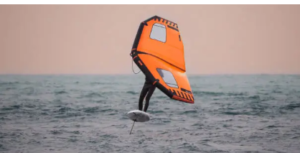 Wing foiling involves riding on a hydrofoil board while holding onto a wing-shaped sail that catches the wind. The sport's unique appeal lies in the feeling of gliding above the water’s surface and the freedom of movement it offers. Unlike traditional windsurfing or kiteboarding, wing foiling allows for a more fluid and dynamic experience with less equipment to manage. However, this freedom can also lead to risks if not approached with the proper safety measures.
The Importance of a Wing Foiling Safety Guide
Understanding the Risks
Wing foiling introduces beginners to a new set of challenges. Unlike other water sports, it involves handling both a board and a wing while managing wind conditions and balance. The potential risks include collisions, falls, and equipment malfunctions. A comprehensive wing foiling safety guide helps beginners identify these risks and learn how to mitigate them effectively.
Proper Equipment Use
A wing foiling safety guide offers crucial information on how to properly use and maintain your equipment. It includes adjusting the wing to suit different wind conditions, correctly positioning the foil, and securing your gear. Misuse or poor maintenance of equipment can lead to accidents, making it essential for beginners to follow safety guidelines to ensure their gear is functioning correctly and safely.
Learning Safety Protocols
Safety protocols in wing foiling involve understanding how to avoid common hazards. It includes knowing how to fall safely, how to avoid collisions with other riders or obstacles, and what to do in case of equipment failure. A safety guide provides structured advice on these protocols, which can significantly reduce the likelihood of injury.
Wind and Water Conditions
Wing foiling is highly dependent on wind and water conditions. A safety guide educates beginners on how to assess these conditions before heading out. Understanding wind patterns, water currents, and weather forecasts is essential to prevent dangerous situations. For instance, strong winds or choppy waters can make handling the wing and foil more challenging, increasing the risk of accidents.
Safety Gear Essentials
Proper safety gear is vital for wing foiling. A wing foiling safety guide will outline the essential gear required, including helmets, impact vests, and wetsuits. Helmets protect against head injuries during falls, while impact vests provide cushioning. Wetsuits help in maintaining body warmth and protection.
Emergency Procedures
Even with the best precautions, emergencies can still occur. A safety guide will outline emergency procedures, including how to signal for help, how to handle unexpected situations, and how to use rescue equipment.
Learning from Experienced Riders
Beginners often benefit from the insights of experienced wing foilers. A safety guide often includes tips and advice from seasoned riders who can offer practical advice on avoiding common mistakes. Learning from their experiences can significantly provide valuable insights and help beginners navigate their initial challenges more effectively.
Education and Training
Enrolling in a wing foiling course or training program is another aspect covered by a safety guide. Professional instructors provide hands-on training and ensure that beginners understand safety protocols and techniques. These programs are specially designed to build confidence and skill in a controlled environment, greatly reducing the risk of accidents once beginners head out on their own.
Continuous Improvement
Safety is an ongoing concern in wing foiling. As riders gain experience, they should continually refer back to safety guides and stay updated on best practices and new safety measures. Regularly reviewing safety protocols and engaging in refresher courses helps maintain a high level of awareness and preparedness.
Conclusion
Wing foiling is an exciting and dynamic sport that offers a unique water experience. However, like any sport, it comes with its own set of risks. A wing foiling safety guide is an invaluable resource for beginners, providing essential information on equipment use, safety protocols, and emergency procedures. By following these guidelines, new riders can enhance their safety, enjoy the sport more fully, and minimise the risk of accidents.